What’s Included in a Pest Inspection in Scarborough?
What a pest inspection is and why it matters in Scarborough
A pest examination is a careful visual inspection of a home or building to spot infestation signs, current pest movement, and conditions that may attract future pests. For homeowners looking for pest control scarborough services, the inspection is often the starting point in determining whether the problem is active, where it is coming from, and what preventive pest management measures make sense next.
In Scarborough, ON, inspections matter because the area has a broad mix of housing types and risk conditions. Detached homes, townhomes, condos, and older housing stock all present different risk factors. A single inspection may need to account for shared walls in multi-unit buildings, older construction details, or damp lower levels that create ideal nesting areas for pests. That is why a proper property risk assessment is part of the process, not just a quick look around.
Scarborough’s proximity to Lake Ontario also means moisture can be a concern, especially in basements, crawl spaces, and around foundation walls. Seasonal weather shifts, snow melt, and heavy rain can increase moisture near the home and reveal structural vulnerabilities. Those conditions can invite rodent pests, ants and other insects, roaches, and even bedbug infestations when movement occurs through connected buildings or during tenant turnover. A thorough inspection helps identify the infestation source before it becomes a larger problem.
For residents in neighbourhoods like Birch Cliff, Agincourt, or Malvern, a pest inspection can also be useful because nearby residential and commercial areas may influence local pest pressure. Dense development can change how pests travel, especially where food waste, storage spaces, and utility openings are present. A professional inspection gives you a detailed view of what is happening inside the property and around the exterior perimeter.
What inspectors look for inside the home
Within the home, inspectors focus on the typical physical clues that pests can leave. This includes droppings, urine trails, gnaw marks, and chewed materials. They also search for nesting debris, damaged insulation, and areas where pests may be traveling through hidden spaces. In many cases, these clues reveal to a technician more than the pests themselves, especially if the infestation is still small or hidden.
Mice and rats often leave droppings near walls, behind appliances, under sinks, in storage areas, or close to food sources. Inspectors may also spot greasy rub marks, shredded paper, insulation, or fabric that points to nesting sites. Gnaw marks on wood, plastic, or wiring are another important clue, since rodents constantly chew to keep their teeth from growing too long. These signs help verify whether the issue is active and whether it has been ongoing.
Moisture is another major focus during an interior inspection. Areas with moisture damage can support pest activity because damp materials are easier for insects and rodents to use as shelter. Under sinks, around laundry spaces, near leaking pipes, and in poorly ventilated bathrooms are all common spots to check. Poor sanitation can also attract pests by leaving food residue, clutter, or standing water in place. Good sanitation does not solve every pest issue, but it is part of reducing attractants.
Inspectors also assess hidden or less frequently used spaces such as the attic and basement. These areas are especially important in Scarborough homes, where older properties may have aging insulation, gaps around utilities, or inconsistent ventilation. An attic can reveal bird or rodent nesting, while a basement often shows moisture problems, access routes, and evidence of pests moving along the foundation. A careful home inspection looks beyond the obvious rooms and into the places pests actually prefer.
For insects, technicians may check cracks near baseboards, pantry areas, behind cabinets, and around electrical or plumbing penetrations. Ants can trail along walls and counters, while cockroaches like hot, moist, secluded environments. Bed bugs may be found in mattress seams, bed frames, and nearby furniture. The goal is not just to identify the pest, but to trace the pattern of activity and the likely area of entry.
What inspectors check around the property
Exterior inspection is just as important as the interior because pests often enter through tiny openings. Inspectors look closely at foundation cracks, broken vents, unfastened siding, gaps around doors and windows, and utility penetrations that function as entry points. Even tiny openings can allow mice or insects inside, so the technician checks the property carefully from the exterior perimeter to the roofline where needed.
In Scarborough, weather near Lake Ontario can increase the need for exterior checks. Moist conditions can weaken building materials, expand cracks, and create damp areas around the foundation. If water pools near the house, pests may gather along those edges looking for shelter. That is why moisture control and drainage conditions are often considered during the inspection, not just after a problem has started.
Gutters are another important part of the review. Clogged or damaged gutters can overflow and dump water near the foundation, which can contribute to mould, rot, and pest-friendly conditions. Inspectors may also look at downspouts, grading, and how far water moves away from the structure. These details matter because poor drainage can worsen structural damage and make it easier for pests to establish themselves around the home.
Landscaping is also inspected because shrubs, mulch, stacked firewood, and overgrown vegetation can create shelter close to the house. These conditions can hide pests and give them cover to move toward the property. Branches touching the roof or siding can create pathways for insects and rodents. In neighbourhoods with mixed housing styles, a well-kept property perimeter can make a real difference in reducing pest pressure.
Inspectors also consider outdoor sanitation and storage. Garbage bins, pet food, compost, and clutter around sheds or decks can attract pests to the exterior perimeter before they ever enter the home. Signs of wasp nests, spider activity, or rodent burrows may also be noted. This wider view helps build a practical plan for prevention and exclusion methods.
Typical pests found during Scarborough inspections
In the course of inspections in Scarborough, many pests show up more often than others because of property style, seasonal conditions, and area density. Mice and Rats are regular in homes, townhouses, and older properties because they can pass through small openings and use walls, basements, and attics as routes. In shared buildings, rodents may move between units through utility chases, gaps in walls, or service openings.
Ants are an additional common problem, especially when mild weather and humidity create easy access to kitchens, bathrooms, or basement areas. Carpenter ants may be linked to damp wood, while other ant species are drawn to food and water sources. Because ants can travel from exterior nests into the home, inspection often includes both indoor trail tracking and outdoor nest searching.
Cockroaches are a major concern in dense urban areas of Toronto and Scarborough because they can spread in multi-unit buildings and hidden service spaces. They flourish where warmth, dampness, and food are available. Inspectors often inspect kitchens, laundry rooms, behind refrigerators, and around pipes. In condos and apartment-style settings, shared walls and shared infrastructure can increase the chance of transfer between units.
Bed bugs are frequently found during inspections, particularly when there are tenant concerns, used items, or frequent turnover. Unlike mice or ants, bed bugs are not usually a sign of exterior entry points; instead, they are often found through bedding, furniture, and travel-related transport. A technician will check sleeping areas, upholstered furniture, and nearby gaps where they may hide during the day.
Various pests such as wasps and spiders may also be detected during the survey, particularly around eaves, garages, sheds, and exterior wall gaps. Although spiders are often indirect indicators of insect presence rather than the main issue, they still enable technicians understand the local pest environment. The inspection report may identify these species as part of the overall pest picture, even when they are not the primary complaint.
The most important thing is not just identifying the pest, but linking it to the building’s conditions. A skilled technician looks at where activity is occurring, what is luring the pests, and whether the issue is limited or part of a larger pattern. That is how pest control scarborough services transform observations into an useful next step.
How a pest inspection is performed
A standard pest inspection begins with a conversation about occupant concerns, recent sightings, damage, and the history of the property. The skilled technician then performs a visual inspection of the interior and exterior, checking for evidence that supports or rules out pest activity. This process is systematic and often includes photographs or notes to support the completed inspection report.
The interior inspection usually includes kitchens, bathrooms, utility rooms, storage spaces, closets, and any areas where pests are likely to hide. The technician checks baseboards, corners, behind appliances, beneath sinks, around vents, and near plumbing lines. If the home has an attic or basement, those areas are included because they often show early signs of infestation before the main living areas do.
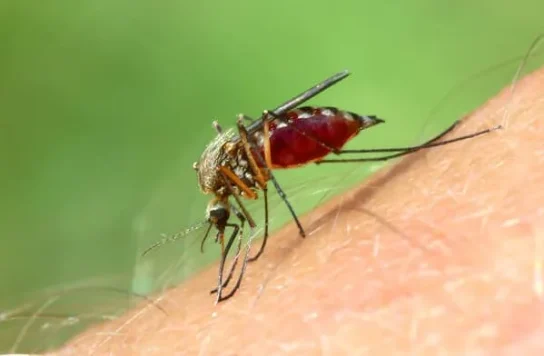
The exterior inspection checks the outside of the property for openings, nesting sites, damaged materials, and conditions that support pest movement. This can include checks of the roof edge, siding, vents, garage spaces, window frames, and the foundation cracks that may act as routes into the home. Inspectors also review drainage, soil contact, and the exterior perimeter for evidence of burrows, nests, or access points.
In many cases, the inspection is tailored to the property type. A condo in Scarborough may require a different inspection scope of service than a detached home in an older neighbourhood. Shared walls, hallways, and utility systems may influence where a technician searches first. Detached homes may need a more extensive review of attics, basements, yards, and detached garages. This is why a good inspection is not one-size-fits-all.
Once the inspection is complete, the technician describes what was found, what it means, and what should happen next. That may include immediate preventative treatment, sealing gaps, cleaning recommendations, or a targeted follow-up. The best inspections do not just identify pests; they explain how the pests are entering, where they are active, and how to reduce the chance of recurrence.
Do pest inspections include service or just documentation?
It depends on the company and the service package, but many inspections begin with an inspection report and then move into a recommended treatment plan if needed. Some providers offer inspection-only visits, while others bundle inspection with immediate action when the issue is clear. The key is knowing the scope of service before booking an inspection so you know whether you are paying for diagnosis, treatment, or both.
In many cases, the report becomes the foundation of integrated pest management, or IPM. This approach relies on multiple strategies rather than relying on one product alone. It may include sanitation improvements, exclusion methods, moisture corrections, habitat reduction, and targeted product use when necessary. That combination often leads to more durable results because it addresses both the infestation and the underlying risk factors.
If activity is found, a technician may provide follow-up recommendations or arrange follow-up service to confirm that the issue is improving. That can be especially important for rodents, bed bugs, and cockroaches, which often require more than one visit. A well-structured plan may also include monitoring stations, sealing work, and advice on reducing food, water, and shelter sources.
For homeowners, this distinction matters. An inspection identifies the problem; treatment solves it. In some situations, the same company can handle both, which makes the process easier. In others, the inspection report is used to guide another service provider or to support property management decisions. Either way, the report should clearly explain the evidence found and the next recommended steps.
How frequently Scarborough homes should be inspected
The right inspection schedule varies with the property, the degree of risk, and whether there has been recent pest activity. Homes with previous issues, properties near green spaces, and buildings with known entry vulnerabilities may benefit from more regular prevention schedule. Seasonal changes also matter because different pests become more active at specific periods of the year.
Seasonal activity changes what inspectors https://toronto-onsv668.iamarrows.com/moth-management-in-scarborough-local-guide-to-pest-control look for and when. In colder months, mice and rats often move indoors seeking warmth and food. In warmer months, ants, wasps, and spiders become more visible around the home’s exterior, while bed bugs and cockroaches continue to be concerns year-round in shared or high-turnover environments. Seasonal shifts near Lake Ontario can also influence moisture levels and basement conditions, which may increase pest pressure in some homes.
For condos, inspections may be especially helpful when there are occupant concerns, recurring reports in neighbouring units, or signs that pests are travelling through common areas. Shared walls and service spaces can allow rodents and cockroaches to move more easily, so timely detection is valuable. In detached homes, an annual or seasonal inspection may be appropriate if the property has an older foundation, a history of moisture, or recurring exterior pest activity.
Detached homes in Scarborough often benefit from inspections before winter and again in spring, especially where basements, attics, or older construction details increase risk. Townhomes may need inspections when shared-wall issues, roofline gaps, or exterior maintenance concerns appear. The best schedule is one that matches the structure, location, and pest history of the property rather than a generic timeline.
A practical prevention schedule should also consider renovations, new tenants, property purchases, and neighbourhood reports. If you are trying to prevent a larger infestation, regular inspections can catch problems before they become expensive repairs or repeated treatments. That is especially true in urban areas where pest movement is influenced by nearby buildings, food sources, and seasonal changes.
When to arrange pest control in Scarborough
You should schedule specialized help the moment you notice warning signs such as droppings, scratching noises, damaged packaging, foul odours, or mysterious bites. If you see traces of chewing, live insects, or pest trails along baseboards or in storage areas, do not wait. Quick scheduling can prevent pests from moving into other rooms or neighbouring units.
A real estate transaction is another important time to schedule a pest inspection. Buyers want to know whether the home has hidden damage, active pests, or conditions that could cause future problems. Sellers can also be helped from an inspection because it helps identify issues before they affect negotiations. In Scarborough’s diverse housing market, a detailed pest inspection can be a useful part of a broader home inspection or property inspection.
Tenant concerns should also be addressed promptly, especially in shared buildings where cockroaches, bed bugs, or rodents may move between units. If a tenant reports ongoing sightings, waste odours, or evidence of insects in sleeping areas, the problem may be more extensive than it first appears. Property owners and managers should act with a professional inspection rather than assuming the issue will disappear.
Mosquito Man Scarborough1225 Kennedy Rd, Scarborough, ON M1P 4Y1, Canada
+1 647-243-7241
https://maps.app.goo.gl/8SuLx1MkkqVJFc2m9 https://mosquitoman.ca/pest-control/scarborough/
43.7561897, -79.2751574
It is also wise to book pest control scarborough service after renovations, flooding, roof leaks, or major weather events that may have opened new access points. Damage around the foundation, roofline, or utility entry areas can create opportunities for pests to enter. A professional inspection can identify these vulnerabilities early and recommend exclusion methods before infestations take hold.
Ultimately, booking pest control is less about reacting to a single sighting and more about understanding the full risk picture. If you have warning signs, recurring activity, or a property type that is more vulnerable, scheduling an inspection promptly is the smartest choice. A knowledgeable technician can help you determine the source, minimize the risk, and develop a practical maintenance plan for the future.
Common Questions
What does a pest inspection include in Scarborough?
Typically, a pest inspection in Scarborough includes a visual assessment of the indoors and outdoors, looking for feces, urine trails, bite marks, possible openings, foundation cracks, nesting sites, moisture issues, and pest activity in the roof space and lower level. It may additionally include an assessment report with follow-up recommendations and a treatment plan if needed.
What is the typical duration of a pest inspection?
The length depends on the property size and complexity. A smaller condo may take less time than a detached home with a basement, attic, garage, and larger exterior perimeter. A thorough inspection should allow sufficient time for both inside inspection and external inspection so the technician can evaluate risk factors properly.
Do I need to leave my home during the inspection?
Generally no. The majority of evaluations can be finished while you are at home, although the professional technician may request access to particular rooms, storage rooms, the attic, or the basement. In the event that the inspection involves delicate areas or if treatment is also being performed, the provider will explain any brief occupancy requirements.
Will a pest inspection find hidden rodents or insects?
It may frequently spot signs of hidden pests even if the pests themselves are not seen. Inspectors check for signs of infestation such as droppings, chewed materials, grease marks, nesting debris, and pest activity in harborage areas. Even though no inspection can guarantee every hidden pest will be visible, a skilled visual inspection usually reveals the infestation source or shows where to investigate next.
How much does pest control in Scarborough typically cost?
Costs depend based on the pest, the scale of the property, the seriousness of the issue, and whether you need an inspection alone, preventive care, or regular ongoing service. A basic inspection may cost less than a full treatment plan for rodents, bed bugs, or cockroaches. The most reliable way to understand pricing is to request a estimate based on the specific work required for your property.